Restoring Pain-Free Mobility
Knee osteoarthritis is one of the most common degenerative conditions affecting middle-aged and elderly individuals in India. Many patients endure crippling pain for years under the false impression that surgery is dangerous or requires months of bed rest.
Understanding the Osteoarthritis Spectrum
Conservative First-Line Therapies
- Quadriceps Strengthening: Strong thigh muscles absorb shock before it reaches the knee joint cartilage.
- Low-Impact Movement: Cycling and water aerobics provide synovial fluid circulation without compressive impact.
- Weight Reduction: Every 1 kg of weight loss removes 4 kg of mechanical pressure from the knees.
When Is Surgery the Right Choice?
When conservative measures fail and pain disrupts sleep or simple walking, Robotic Total Knee Replacement (TKR) offers unprecedented accuracy.
- Sub-Millimeter Precision: Robotic arms map the patient's individual joint anatomy in 3D.
- Minimal Tissue Trauma: Surrounding ligaments are spared, enabling patients to walk with support on the evening of surgery.
"Modern joint replacement is no longer a last resort of old age; it is a life-restoring procedure for active retirement."
Treatment Protocol by Stage
| Stage | Cartilage Condition | First-Line Recommendation | Expected Outcome |
|---|---|---|---|
| Stage 1 - 2 | Micro-tears, mild stiffness | Physical therapy & glucosamine | Pain reduction & stability |
| Stage 3 | Marked joint space narrowing | Viscosupplementation & PRP | 6-12 months relief |
| Stage 4 | Complete cartilage loss | Robotic assisted joint arthroplasty | 20+ years pain-free mobility |
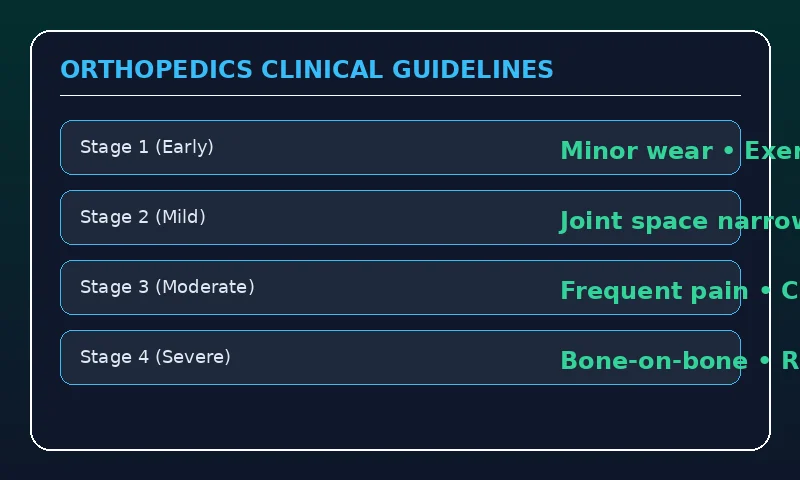
Figure 1.1: Clinical reference guidelines and benchmarks curated by Hospital Deals Network.