Choosing the Right Diagnostic Window
Patients often ask why their doctor ordered an MRI instead of an Ultrasound, or why a CT scan was required after an initial X-ray. Understanding the physics and clinical purpose of each imaging modality helps alleviate anxiety.
Comparison of Common Modalities
1. Ultrasonography (USG)
- Mechanism: High-frequency sound waves reflected by internal tissues.
- Radiation: Absolutely Zero radiation (100% safe during pregnancy).
- Best For: Abdominal organs (gallstones, kidneys, liver), thyroid, and pelvic evaluation.
2. Computed Tomography (CT Scan)
- Mechanism: Rotating X-ray beams producing computer-reconstructed cross-sectional slices.
- Best For: Acute trauma, lung pathology (pneumonia/COVID), intracranial hemorrhages, and complex bone fractures.
3. Magnetic Resonance Imaging (MRI)
- Mechanism: Powerful superconducting magnets and radiofrequency pulses.
- Radiation: Zero ionizing radiation.
- Best For: Brain, spinal cord, disc herniations, sports ligament tears (ACL/meniscus), and joint cartilage.
Imaging Modality Comparison
| Modality | Radiation Exposure | Best Clinical Application | Typical Duration |
|---|---|---|---|
| X-Ray | Very Minimal | Bone fractures, chest infection | 2 – 5 minutes |
| Ultrasound | None | Abdomen, pregnancy, blood flow | 15 – 20 minutes |
| CT Scan | Moderate | Trauma, chest, abdominal emergencies | 5 – 10 minutes |
| MRI | None | Brain, spine, nerves, ligaments | 25 – 45 minutes |
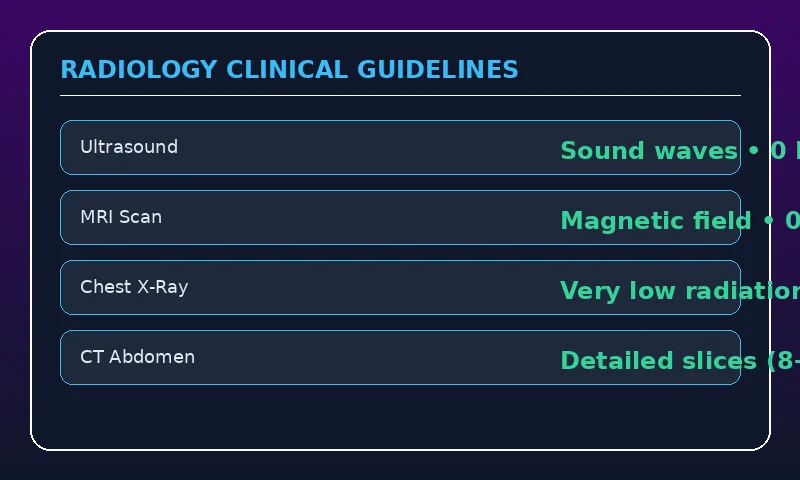
Figure 1.1: Clinical reference guidelines and benchmarks curated by Hospital Deals Network.
Topics:
#Radiology
#Scans
#MRI
#CT Scan
#Ultrasound
#Medical Imaging