
The Second Brain Inside Your Digestive Tract
Have you ever experienced "butterflies" in your stomach before an important meeting, or had digestive upset during periods of prolonged anxiety? These reactions are not coincidental; they are direct communications along the gut-brain axis, mediated by the vagus nerve and circulating neurotransmitters.
The Microbiome: An Essential Metabolic Organ
Your gastrointestinal tract is home to over 100 trillion bacterial organisms that synthesize vitamins, train your immune system, and produce over 90% of your body's serotonin (the primary neurotransmitter responsible for mood stability).
How Chronic Cortisol Disrupts Digestion
- Sustained psychological stress downregulates digestive enzyme secretion and slows gastrointestinal transit time.
- Cortisol increases intestinal permeability ("leaky gut"), allowing bacterial endotoxins into the circulation and provoking brain fog and systemic fatigue.
Practical Steps to Restore Gut Balance
- Diversify Your Fiber: Consume at least 25 different plant foods weekly (vegetables, pulses, whole grains, seeds).
- Incorporate Natural Probiotics: Traditional Indian fermented foods like fresh curd (dahi), chaas, idli batter, and fermented pickles replenish beneficial Lactobacillus cultures.
- Practice Vagus Nerve Resets: Diaphragmatic box breathing (4s inhale, 4s hold, 4s exhale, 4s hold) shifts the autonomic nervous system into the parasympathetic "rest and digest" state.
"Care for your gut bacteria, and they will care for your immune resilience, mood, and long-term metabolic health."
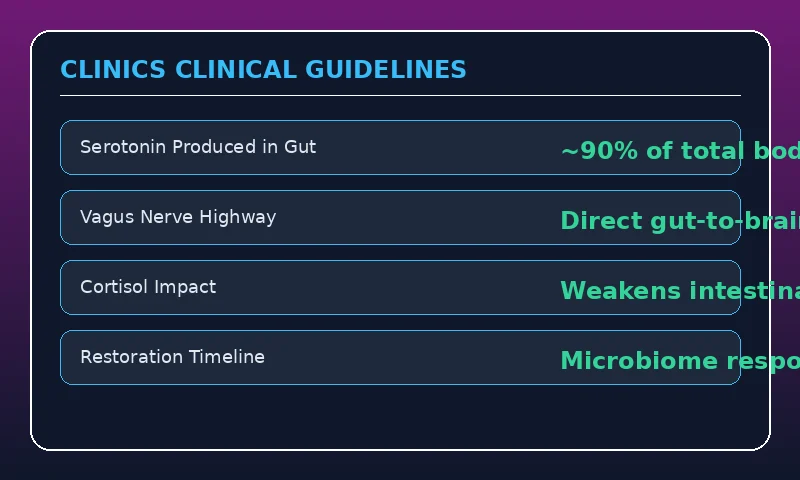
Figure 1.1: Clinical reference guidelines and benchmarks curated by Hospital Deals Network.
Topics:
#Mental Health
#Gut Health
#Microbiome
#Stress
#Wellness